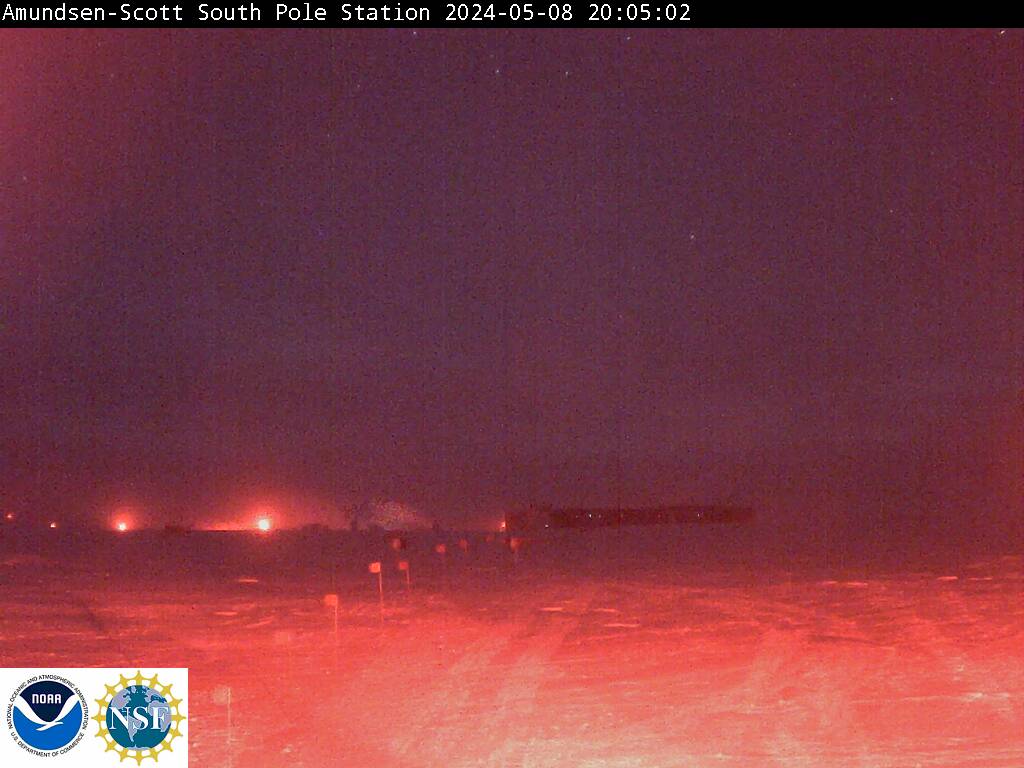
The bulk of the South Pole population will be delivered via Lockheed LC-130 Hercules starting Nov. 5 if the weather is good. The Hercules can only land here if the visibility is good and the temperature is warmer than -50°F.
Also, after dinner, the 60 of us were awarded our "Antarctica Service Medals". This is one of the few, if only, military medals given to civilians. These were accepted with honor by all. This from Wiki:
The Antarctica Service Medal was established by the United States Congress on July 7, 1960 under Public Law 600 of the 86th Congress.[1][2] The decoration was intended as a military award to replace several commemorative decorations which had been issued for previous Antarctica expeditions from 1928 to 1941. The following commemorative medals were declared obsolete, following the creation of the Antarctica Service Medal.
Byrd Antarctic Expedition Medal
Second Byrd Antarctic Expedition Medal
United States Antarctic Expedition Medal
The Antarctica Service Medal is considered a decoration of the United States military, issued in the name of the Department of Defense, and is authorized for wear on active duty uniforms. The medal may also be awarded to U.S. civilians, but after the initial award, the civilian may only wear the miniature or the lapel pin depending on the occasion.
To qualify for the Antarctica Service Medal, personnel must serve between fifteen to thirty days stationed on the Antarctic continent, defined as south of 60 degrees latitude. Flight crews performing transport missions to Antarctica qualify for one day of service for each flight mission performed within a twenty four hour time period.
For those personnel performing extended winter service in Antarctica, a Wintered Over Device is authorized. The "Wintered Over" bar is only worn on the full-size medal's suspension ribbon. The smaller "disc" device is worn on the uniform ribbon to recognize this service.

The preparations continue.